

The Happiness Trap: How the World's Pressure to Constantly Desire More is Making You Unhappy
Discover how the constant pressure from society to always want more can leave you feeling unhappy and unfulfilled. Read on to learn about the happiness trap and how to break free from it.


INTRODUCTION
Yesterday I scrolled through my Instagram feed that I never use and saw countless “reels” of scantily clad women pop up.

On Twitter, the number of threads I see saying “I make $80,000 per month online, here are 3 steps you can use to get there, too” is ridiculous.

And on Medium it’s the same thing.

Everyone, everywhere, all at once, is telling you about all the great stuff they’re doing — leaving you feeling like complete garbage.
We’re left in this constant state of wanting. Wanting the men/women we see on social media. Wanting the 6-figure business someone built. Wanting the fame and attention that somebody else is getting.
We’re always wanting more.
Doesn’t that get tiring for you?
The moral of the story is that when we’re trapped in this category 5 storms of wanting, nothing we currently have will ever be enough. And that makes life a living hell.
I just started watching the show Succession, and one thing that’s appalling about it is just how unhappy everybody is. The Roy family has more money than 99.99% of families in the world, and absolutely none of them are happy because they keep scheming for more power.
Unbelievable.
I finally learned my lesson that constantly wanting more is a game you’ll never win.
The point is, there’s always going to be something better out there than what you currently have. Always.
And in this hyper-Americanized GET AFTER IT world we live in, the pursuit of more is not just part of our culture but is thought to eventually give us happiness.
I get the feeling that the simplest things give us happiness, like having a coffee with family and engaging in mild gossip about meaningless stuff. I feel they appreciate things more and have an incredible ability to stay in the present moment.
Contrast that with us in the USA — a country full of people who are always looking at the future as the time they will finally be able to grasp happiness. When they achieve or get closer to “more.”
“A Jedi must have the deepest commitment, the most serious mind. This one a long time have I watched. All his life has he looked away… to the future, to the horizon. Never his mind on where he was.”
- Yoda
This is our reality.
We are a culture of “more.”
And I have a feeling this is the cause of a lot of mental health problems we currently deal with in our society.
It’s hard because people we respect and admire on social media encourage us to chase “more.”
I don’t care how many Bugattis they have. I don’t know about you, but if I had enough money to afford a few Bugattis, I wouldn’t be posting anything on social media.
I’d be swimming with sea turtles in Thailand or something.
Thank you for reading The LEGACY With Fulfillment Obi. I would love you to share this post, it would mean the world to us.
Stats
According to the United Nations World Happiness Report 2021, the world as a whole has seen a decline in happiness levels, with the global average dropping by 0.03 points from the previous year. In fact, the report states that the COVID-19 pandemic has had a significant impact on the well-being of people worldwide, leading to an overall decrease in happiness levels.
Furthermore, the report highlights that there are significant disparities in happiness levels between different regions of the world, with some areas experiencing much higher levels of happiness than others. For example, the report states that the happiest countries in the world are Finland, Denmark, Switzerland, and Iceland, while the least happy countries are Afghanistan, Zimbabwe, and South Sudan.
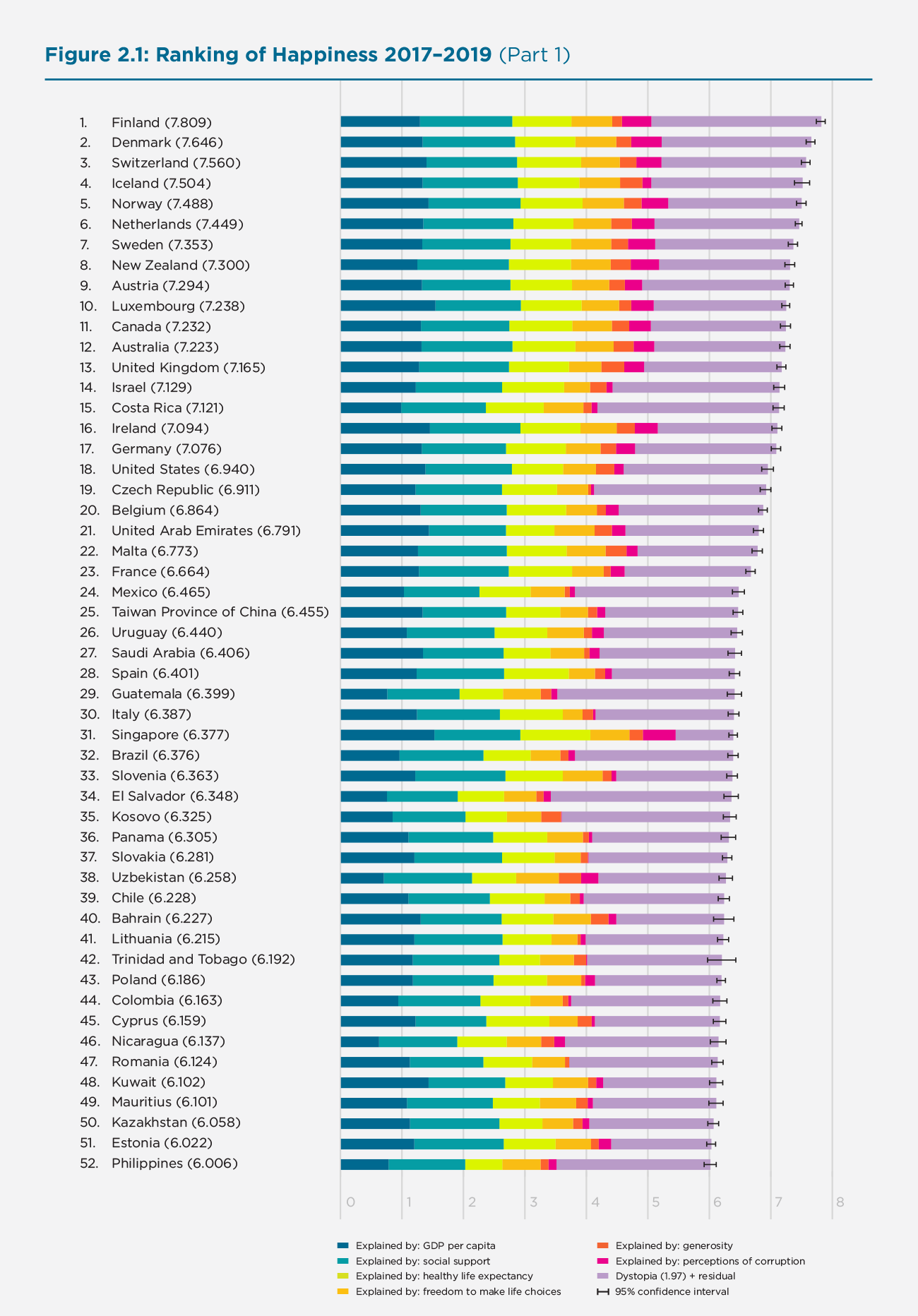
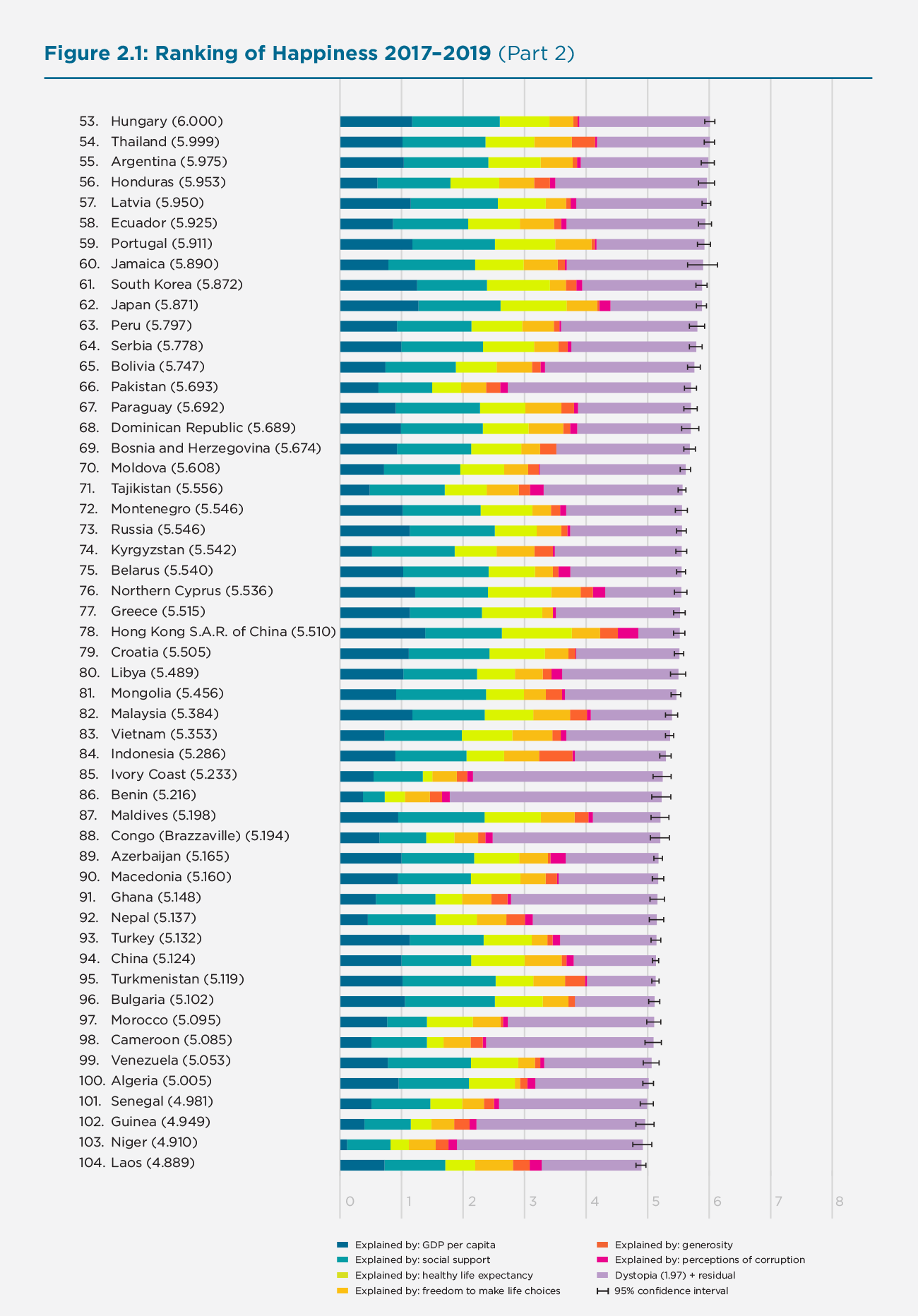
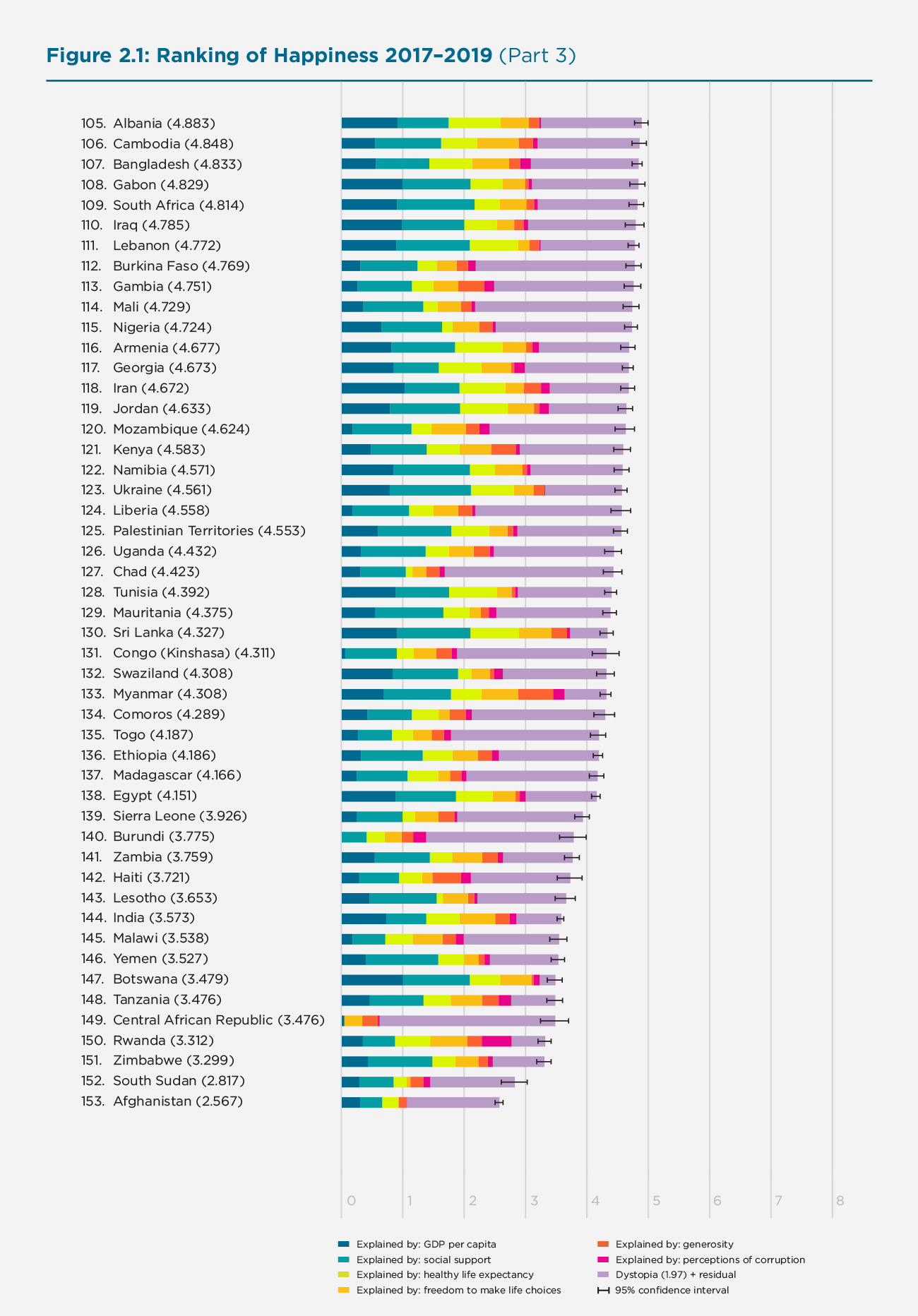
These statistics demonstrate that the pressure to constantly desire more and the resulting unhappiness is not just a problem for individuals, but a widespread issue affecting people around the world. It is crucial to address this issue on a societal level, as well as an individual level, in order to improve overall well-being and promote a more fulfilling life for everyone.
In today's fast-paced world, it seems like we're constantly bombarded with messages telling us that we need to strive for more in order to be happy. From social media influencers flaunting their luxurious lifestyles to advertisements promising us the latest and greatest products, it's no wonder that many of us feel like we're in a never-ending pursuit of happiness.
But what if this constant desire for more is actually making us unhappy?

The truth is, the world we live in today is designed to keep us in a constant state of desire. The more we desire, the more we consume, and the more profit businesses make. This cycle perpetuates itself, creating a society in which we're always wanting more, but never truly satisfied.
It's called the "happiness trap," and it's a phenomenon that affects millions of people worldwide. We're taught from a young age that success and happiness are synonymous, and that we need to constantly work harder and achieve more in order to be truly happy. But the reality is that this constant desire for more can actually be detrimental to our mental health and well-being.
Research has shown that people who prioritize material possessions and external achievements are often less happy and satisfied with their lives than those who prioritize relationships, experiences, and personal growth. This is because the pursuit of material possessions is an endless one – no matter how much we acquire, there will always be something else to want.
While it's easy to fall into the trap of constantly striving for more, it's important to recognize the harm it can cause to our overall happiness and well-being. The more we focus on external factors to bring us happiness, the less control we have over our own emotions, and the more we become victims of our environment.
It's important to take a step back and evaluate what truly brings us joy and fulfillment. Is it the newest gadget or the latest fashion trend? Or is it the people we love, the experiences we share, and the memories we create?
The truth is, material possessions and external validation may bring temporary satisfaction, but they will never provide us with long-lasting happiness. It's crucial to shift our focus from the external to the internal and to cultivate a sense of gratitude for what we already have.
Ecclesiastes 5:10 states, "Whoever loves money never has enough; whoever loves wealth is never satisfied with their income. This too is meaningless." Similarly,
1 Timothy 6:10 warns, "For the love of money is a root of all kinds of evil. Some people, eager for money, have wandered from the faith and pierced themselves with many griefs."

So, what can we do to escape the happiness trap?
Firstly, it's important to recognize that the pressure to constantly desire more is a societal issue, not a personal failing. We're all affected by the messages we receive from the media, advertising, and our peers, and it takes a conscious effort to break free from these influences.
One effective strategy is to focus on gratitude and contentment in the present moment. By acknowledging and appreciating what we have right now, rather than constantly striving for more, we can cultivate a sense of inner peace and happiness.
Another important step is to identify our core values and priorities. What truly matters to us? Is it our relationships with loved ones? Our personal growth and development? By focusing on what's truly important to us, we can shift our attention away from external achievements and material possessions, and towards the things that bring us genuine happiness and fulfillment.
One way to do this is through mindfulness practices such as meditation, journaling, or simply taking time to appreciate the present moment. By training our minds to focus on the present and to let go of the constant need for more, we can begin to find peace and contentment in our daily lives.
Another important aspect of finding happiness in the midst of constant desire is to set meaningful goals that align with our values and passions. Instead of chasing after the next big thing, take time to reflect on what truly matters to you and what brings you a sense of purpose and fulfillment.
it's important to recognize that happiness is not a destination to be reached, but rather a journey that we're all on. We don't need to constantly achieve more in order to be happy – we can find joy and contentment in the small moments of everyday life.
Finally, it's essential to surround ourselves with positive influences and cultivate supportive relationships with those who uplift us and bring out the best in us. By building a strong support system and surrounding ourselves with people who share our values, we can create a sense of community and connection that can help us navigate the challenges of life with greater ease and grace. Also, remember to stay connected to God and follow his guidance.
Conclusion
The world's pressure to constantly desire more can be a trap that leads us away from true happiness and fulfillment. By cultivating mindfulness, setting meaningful goals, and surrounding ourselves with positive influences, we can break free from this trap and find joy and contentment in the present moment. It's time to take control of our own happiness and create a life that is rich in meaning and purpose.
IF YOU READ UP TO THIS POINT, PLEASE CAN YOU SUPPORT US BY
Sharing
Liking and leaving a comment
You can freely donate to us😊